

We Didn’t Guess — We Measured It
Last year, we conducted a real-world performance study across multiple homes where we completed full window replacements.
Each home replaced 12–20 large windows.
All the homes had single & double hung dual pane windows
Here’s What We Did:
Tracked actual energy consumption using utility meter data
Collected 2 full years of usage BEFORE installation
Measured monthly consumption AFTER installation
Compared performance across similar seasonal conditions
The Results Were Consistent Across Every Home:
That Windows Are One of the Biggest Factors in Energy Loss
Most homeowners assume:
“I need a new HVAC system”
But in reality:
»»» If your windows are inefficient, your system is working harder than it should
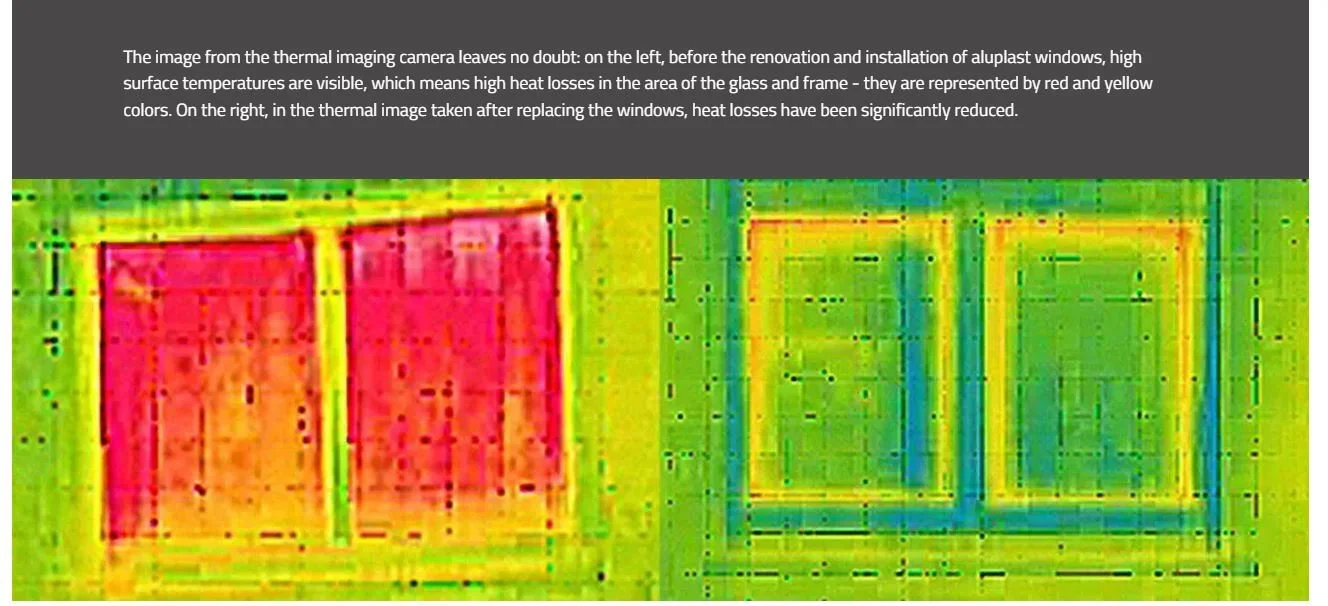
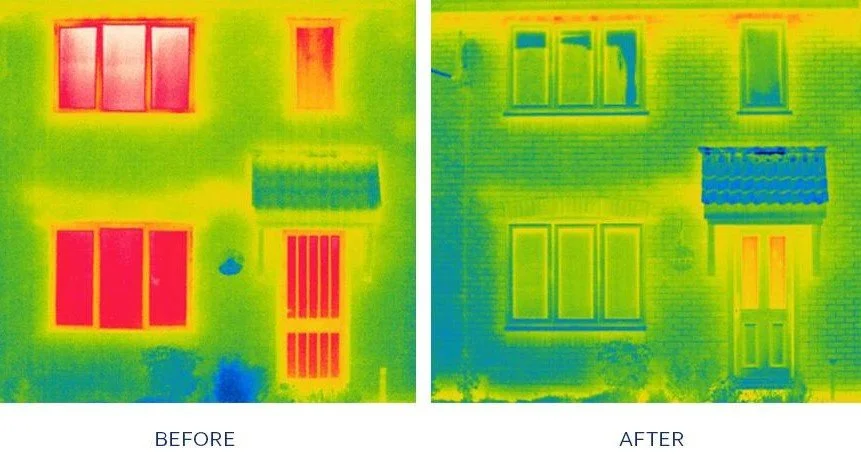
One of the biggest areas of energy loss in a home is around the windows.
That’s one reason modern homes often incorporate additional ventilation and airflow strategies — not because windows are unimportant, but because they are one of the most critical points of thermal performance.
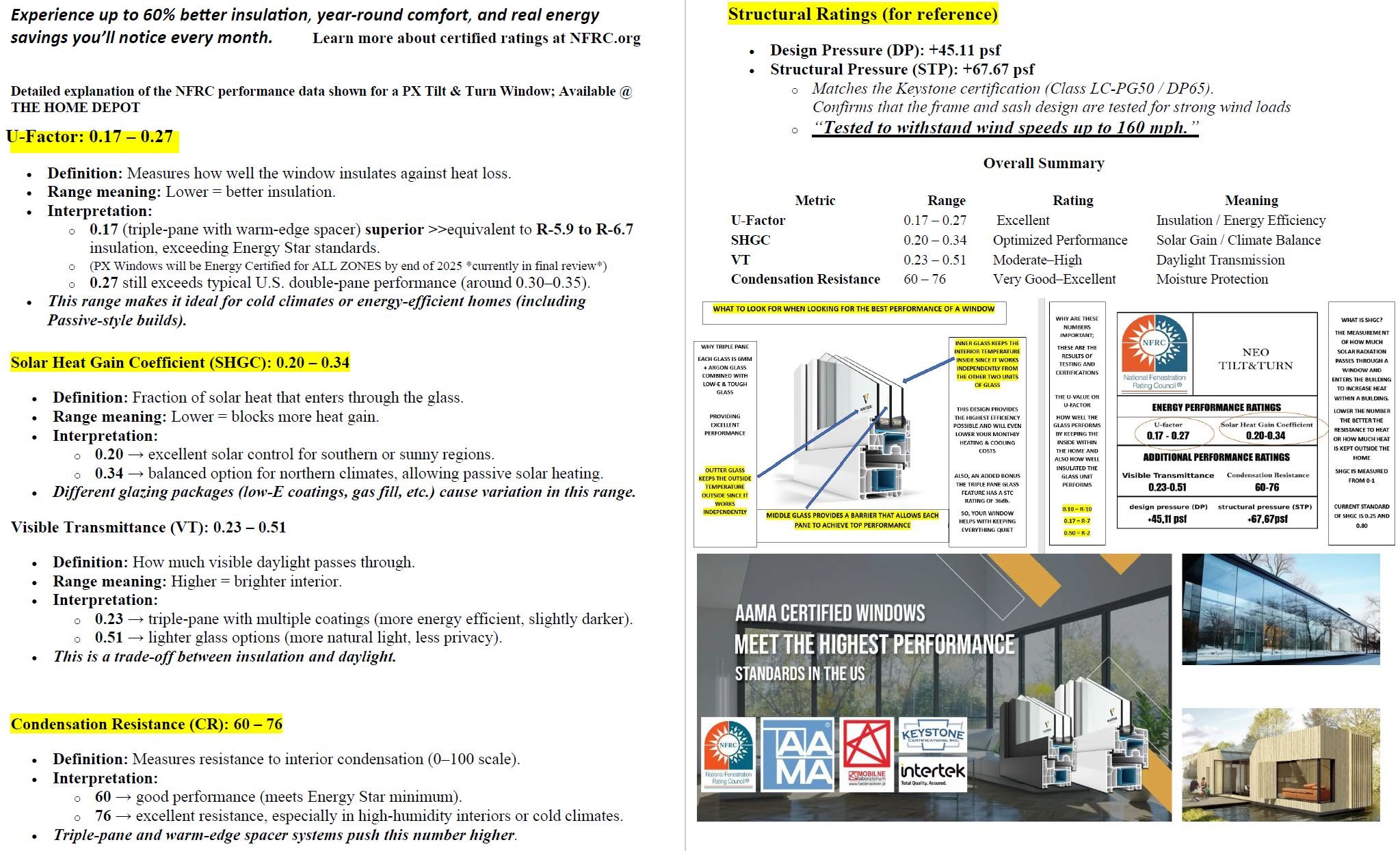
Many standard window systems provide relatively low insulation compared to modern high-performance designs. In fact, older or lower-quality windows can perform closer to wall materials like concrete, which has a low R-value but tends to absorb and transfer heat rather than insulate.
»»» The result: more energy loss, less comfort, and higher utility costs.
SIMPLE BREAKDOWN:
Bad windows = (Higher Heating & Cooling Costs)
❌ Heat loss in winter
❌ Heat gain in summer
❌ Constant HVAC strain
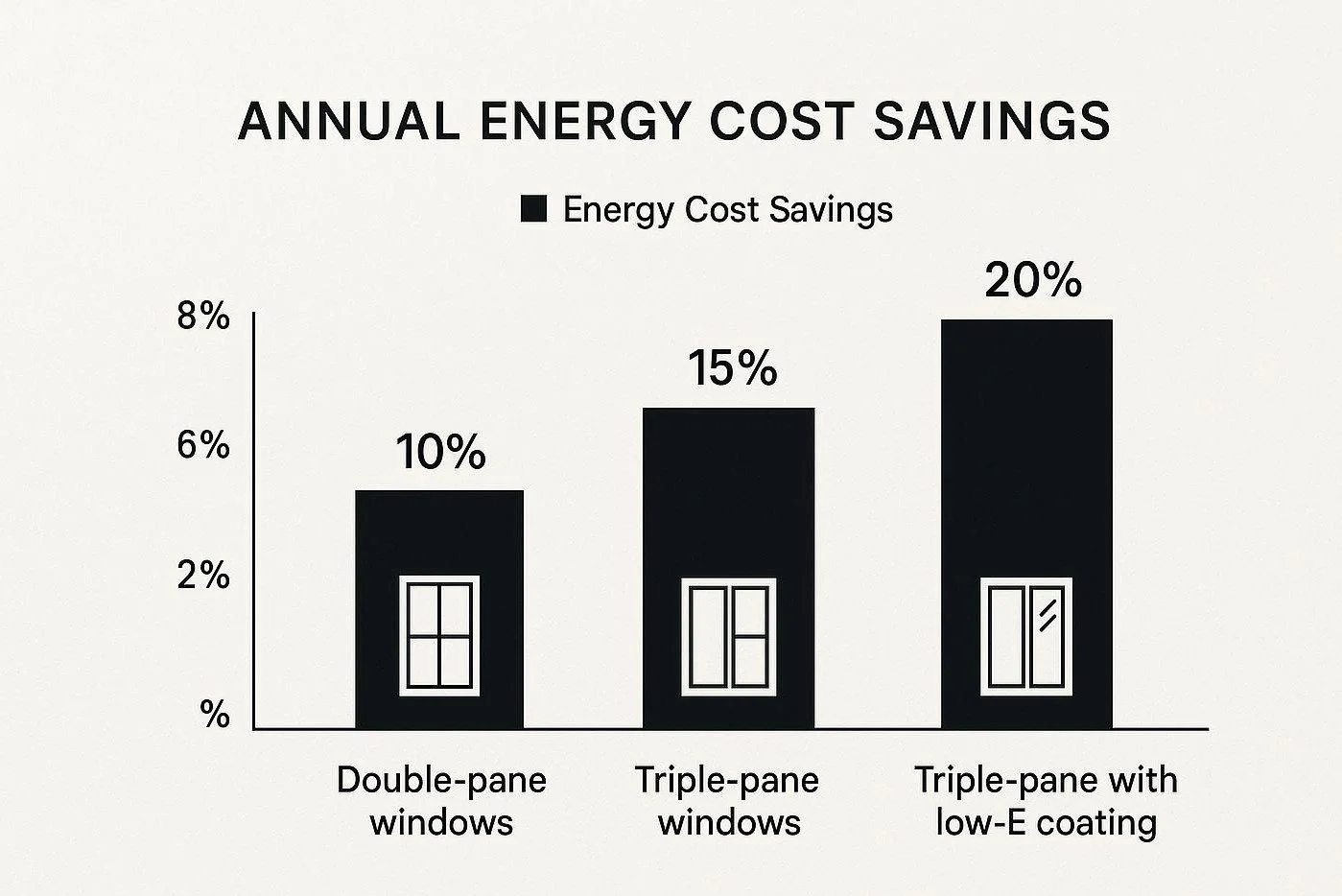
PX Windows = (Lower Heating & Cooling Costs)
✔ Better insulation
✔ Reduced energy loss
✔ Lower monthly bills
This may sound counterintuitive, but with modern technology, large glass areas don’t necessarily mean higher energy loss.
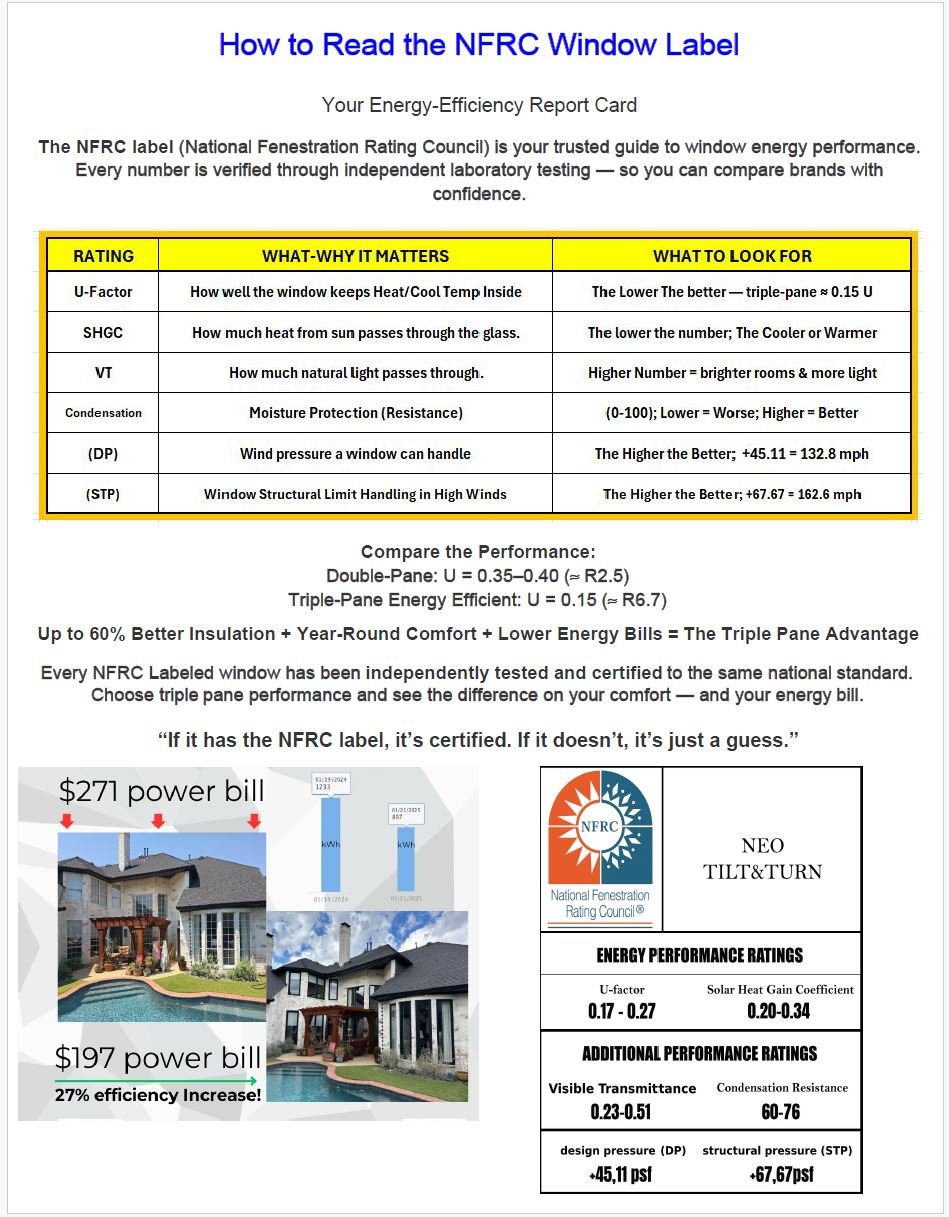
Today’s high-performance triple-pane, low-E window systems are engineered to significantly reduce heat transfer and improve insulation compared to traditional window designs. When properly designed and installed, these systems can perform much closer to insulated wall assemblies than most people expect.
In some cases, a home with large, floor-to-ceiling glass openings using advanced window technology can achieve similar — or even better — energy performance than a comparable home built with lower-quality windows and standard wall construction.
In other words, it’s not about how much glass you have — it’s about how well that glass performs.
Average Energy Reduction: 24-30% — within the first month
HOWEVER!! One Home Stood Out Way More:
47% reduction in energy usage compared to the previous year
This was achieved even though:
The prior year had warmer temperatures
Meaning the savings were even more significant
Important Factors!!
None of the homes upgraded or changed their HVAC systems or added any other energy savings materials.
Same heating systems
Same cooling systems
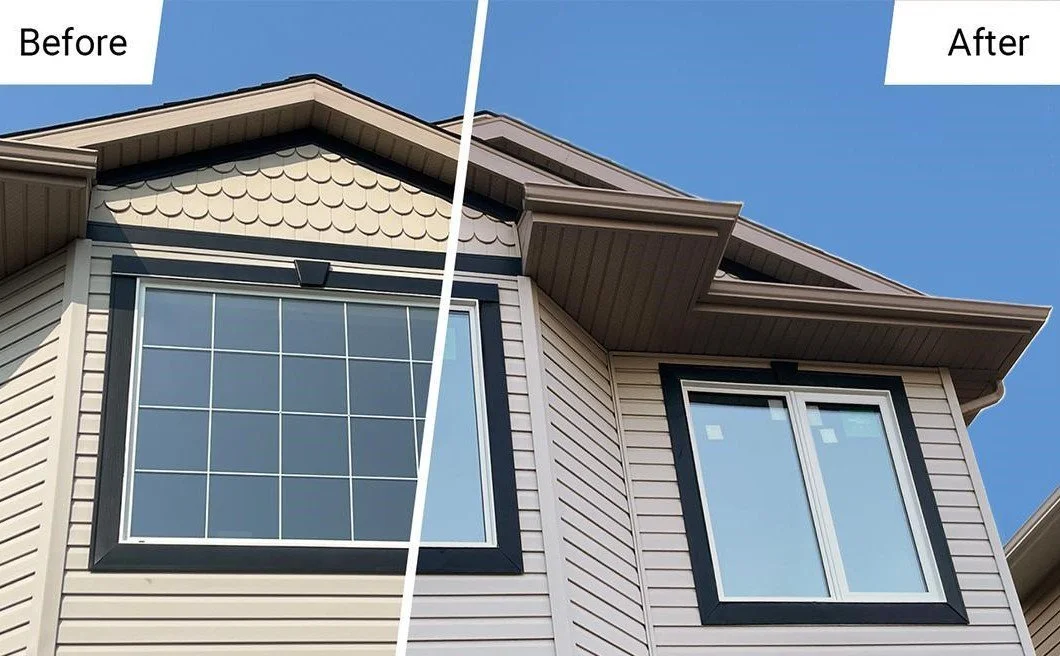
Same good ol’home with a little facelift & curb appeal
»» The only change was the windows
WHAT DID THAT PROVE??
Real Energy Savings — Measured in a Real Home
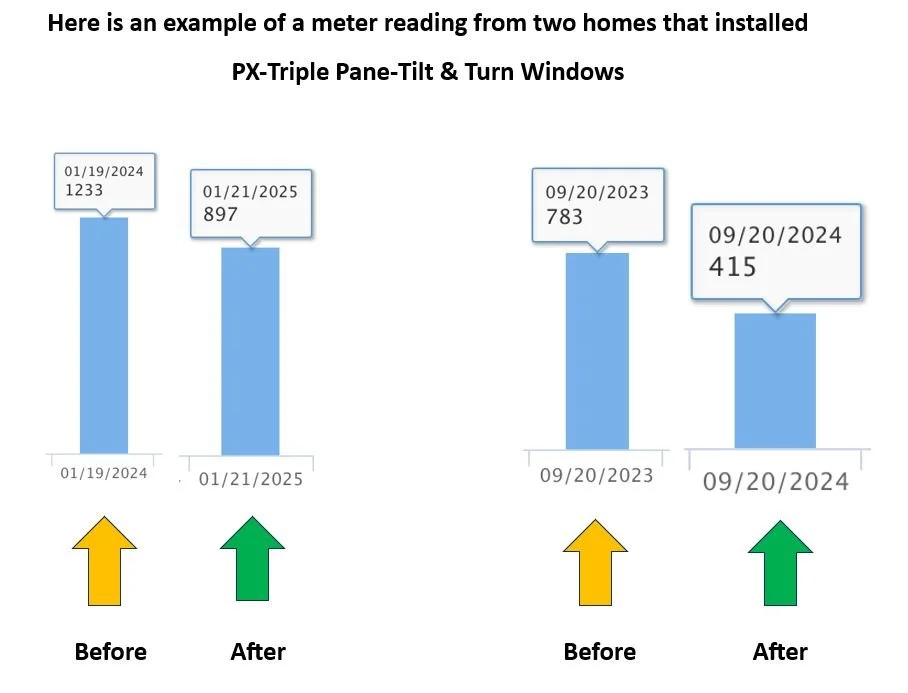
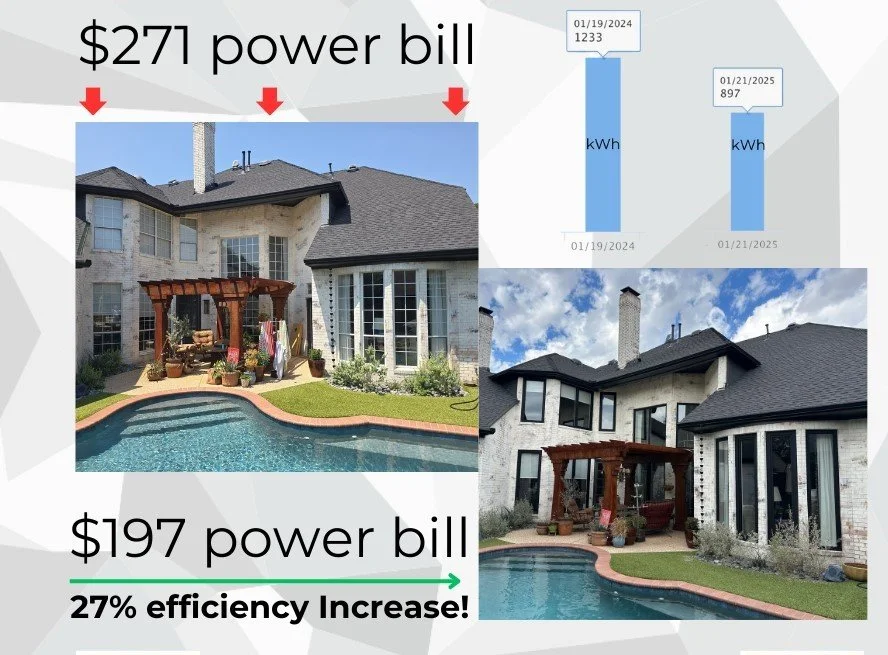
Let’s look at two real-world examples:
Let’s look at this from another perspective…Reality
Below are comparisons of actual utility usage (kWh) before and after upgrading to triple-pane windows.
Example 1:
Before (Warmer Weather):
1233 kWh
After (Colder Weather):
897 kWh
That’s 72.7% of the original usage — a 27.5% reduction, even in colder conditions.
Estimated cost structure:
($74 savings on 336 kWh)
New savings ≈ $70–$80/month
Annual:
~$840–$960/year
Example 2:
Before: (Warmer Weather)
783 kWh
After: (Colder Weather)
415 kWh
That’s 53.0% of the original usage — a 47.0% reduction, even in colder conditions.
Estimated cost structure:
($74 savings on 368 kWh)
New savings ≈ $70–$80/month
Annual:
~$840–$1,020/year
Most homeowners choose cheaper windows to save money upfront.
»»» But lower-performing windows often lead to higher energy costs every month.
The real cost of a window isn’t the purchase price — it’s what you pay every month after it’s installed.
So, Why pay for a cheaper window that will cost your way more over time?

Our Performance Guarantee
Here’s how confident we are in the performance of our windows.
When you upgrade your home with our triple pane tilt & turn windows, doors, sliders, bi-fold systems, or fixed units — and replace all exterior wall openings — you should see a measurable improvement in your energy efficiency.
If your monthly energy usage or utility bill does not improve by at least 15%, we stand behind our product.
👉 We will either cover your utility costs or refund you up to $1,000.
No questions asked.